Master Planning for Balanced and Sustainable Urban Development: Embracing Modern Trends

Understanding Master Planning
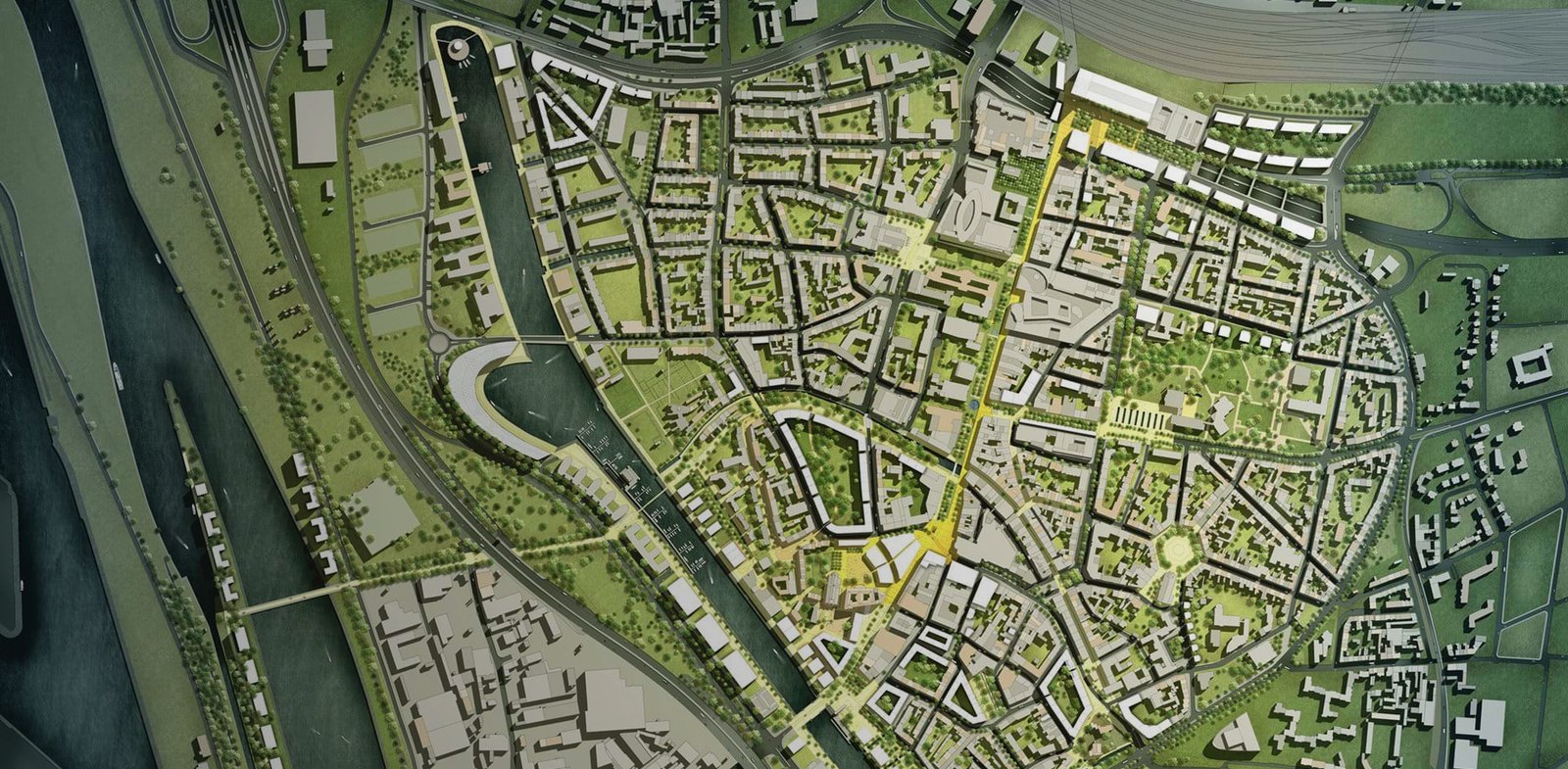
Master planning is a strategic approach aimed at the comprehensive development of urban environments. It serves as a framework that guides the overall physical, social, and economic growth of a specific area. The concept of master planning has its roots in the early 20th century, emerging from the rapid industrialization and urbanization that characterized this era. Planners recognized the need for organized and systematic approaches to urban development to prevent overcrowding and degradation of living conditions.
The evolution of master planning reflects the changing needs of urban populations. Initially focused on improving infrastructure and aesthetics, master planning has transformed to incorporate sustainability, inclusivity, and resilience against challenges such as climate change and economic fluctuations. Today, master planning encompasses various elements, including housing, transportation, public spaces, and community services, all designed to improve residents’ quality of life.
In a contemporary context, effective master planning must consider the diverse and dynamic nature of urban areas. Comprehensive strategies should address pressing issues like affordable housing, efficient transit systems, and accessible public amenities. By employing a holistic view, master planners can create balanced development options that cater to both current and future demands. This awareness leads to better resource allocation, enhanced community engagement, and ultimately a more sustainable urban environment.
A well-executed master plan integrates multiple disciplines, promoting collaboration among architects, urban designers, engineers, and community stakeholders. This approach ensures that all voices are heard, resulting in inclusive solutions that reflect the community’s unique identity and aspirations. As urban populations continue to grow and evolve, the importance of understanding master planning and its role in shaping livable, sustainable cities cannot be overstated.
Key Components of Comprehensive Master Planning
Comprehensive master planning is an essential process that ensures the organized development of urban spaces, balancing various needs and interests. A well-structured master plan encapsulates several critical components such as land use planning, zoning regulations, environmental sustainability, and public transportation systems, all of which serve as the backbone for urban development.
Land use planning delineates how different areas of a city will be developed or preserved. This includes residential, commercial, industrial, and recreational spaces. Effective land use planning is vital for ensuring that urban areas can accommodate population growth while maintaining quality of life. Similarly, zoning regulations are necessary for governing the types of activities permitted in specific areas, promoting harmony between neighboring land uses, and preventing overcrowding or conflicts between residential and commercial spaces.
Environmental sustainability is another pivotal element of comprehensive master planning. This includes strategies for conserving natural resources, promoting energy efficiency, and minimizing environmental impact. Incorporating green spaces, promoting the use of renewable energy, and implementing water management systems are all strategies that enhance sustainability in urban settings.
Public transportation systems are also crucial in a master plan, as they connect various parts of a city, reducing reliance on personal vehicles and supporting economic activities. Integrating multiple modes of transport, such as buses, trains, and cycling paths, contributes to a more accessible and efficient urban environment.
Moreover, a successful master plan must integrate principles of social equity and economic viability. This means considering the diverse needs of communities, ensuring that development is inclusive, and promoting local economic growth. Real-world examples such as the Seattle 2035 Plan and the Copenhagen Climate Plan demonstrate how incorporating these components can lead to balanced and sustainable urban development. By drawing from these cases, urban planners can adopt best practices that support diverse, thriving, and resilient communities.
Modern Trends Influencing Urban Master Planning
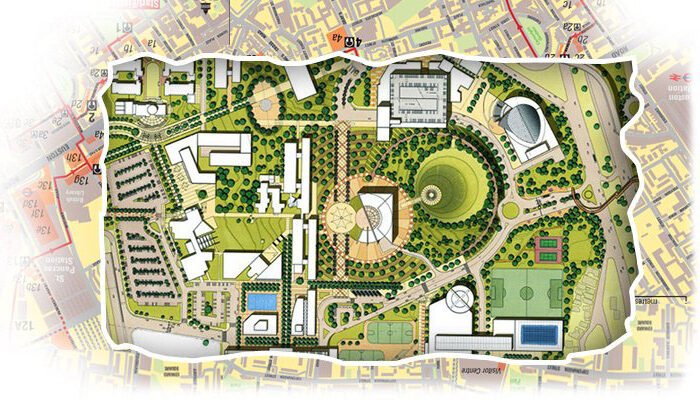
The landscape of urban master planning is continually evolving, shaped by various modern trends that significantly influence strategies and outcomes. One prominent trend is the rise of smart cities, which utilize digital technologies to enhance infrastructure, improve service delivery, and engage residents. Smart city initiatives involve integrating sensors, IoT devices, and data analytics into urban environments, allowing planners to make informed decisions and optimize resource allocation. This transformation fosters efficiency and enhances the quality of life for inhabitants.
Another critical trend is the increasing emphasis on sustainability within urban planning frameworks. As communities grapple with the impacts of climate change, there is a pressing need for eco-friendly architectural designs, green spaces, and sustainable transportation solutions. Urban planners are emphasizing mixed-use developments that reduce reliance on fossil fuels, promote public transportation, and enhance walkability. Incorporating sustainable practices not only addresses environmental concerns but also improves resilience against climate-related challenges.
Moreover, the global shift toward remote work has altered urban dynamics and influenced planning principles. As many employees continue to telecommute, cities are witnessing changes in housing demands and a reduced need for traditional office spaces. Planners now consider flexible work arrangements, which necessitate reconfiguring urban landscapes to support community hubs, co-working spaces, and improved connectivity. This growing trend toward decentralization shapes how planners envision future urban development.
Finally, the changing population dynamics, including demographic shifts and migration patterns, compel urban planners to rethink strategies for balanced growth. Diverse populations require inclusive planning that addresses varying needs, fostering vibrant neighborhoods and equitable access to resources. By understanding these modern trends, urban planners can effectively create resilient and adaptable environments that enhance the quality of life for all residents.
The Future of Master Planning: Achieving Sustainable Urban Growth
The future of master planning is intrinsically linked to sustainable urban growth, as cities face an increasing array of challenges such as climate change, resource scarcity, and rapid population growth. Embracing an adaptive planning framework is essential, as this allows for gradual modifications to urban strategies in response to unforeseen circumstances. Flexibility in urban planning not only enhances resilience but also ensures that communities can navigate uncertainties effectively. Planners must remain vigilant and responsive, continually reassessing priorities to align with current needs and emerging trends.
Community engagement and stakeholder collaboration are pivotal in the master planning process, fostering a sense of ownership among residents and ensuring that their voices are adequately represented. By incorporating a variety of perspectives, planners can create more inclusive and equitable development initiatives, thereby achieving balanced growth. The active involvement of local communities helps identify priority areas, potential risks, and opportunities for innovation, vital components for addressing the complexities of urban environments.
Moreover, public-private partnerships (PPPs) present a viable avenue for funding and implementing master plans. By leveraging resources and expertise from both sectors, cities can undertake comprehensive projects that enhance infrastructural capabilities and social services. Such collaborations can streamline processes and introduce novel technologies or methodologies, significantly improving the overall quality of life for residents. As cities leverage the strengths of diverse stakeholders, a more integrated approach to urban development can materialize.
In conclusion, the vision for the future of master planning revolves around a multi-faceted, inclusive approach that prioritizes sustainable urban growth. Through adaptive strategies, ongoing community involvement, and effective public-private partnerships, cities can navigate the evolving landscape of urban challenges, ultimately achieving a balanced and sustainable future.